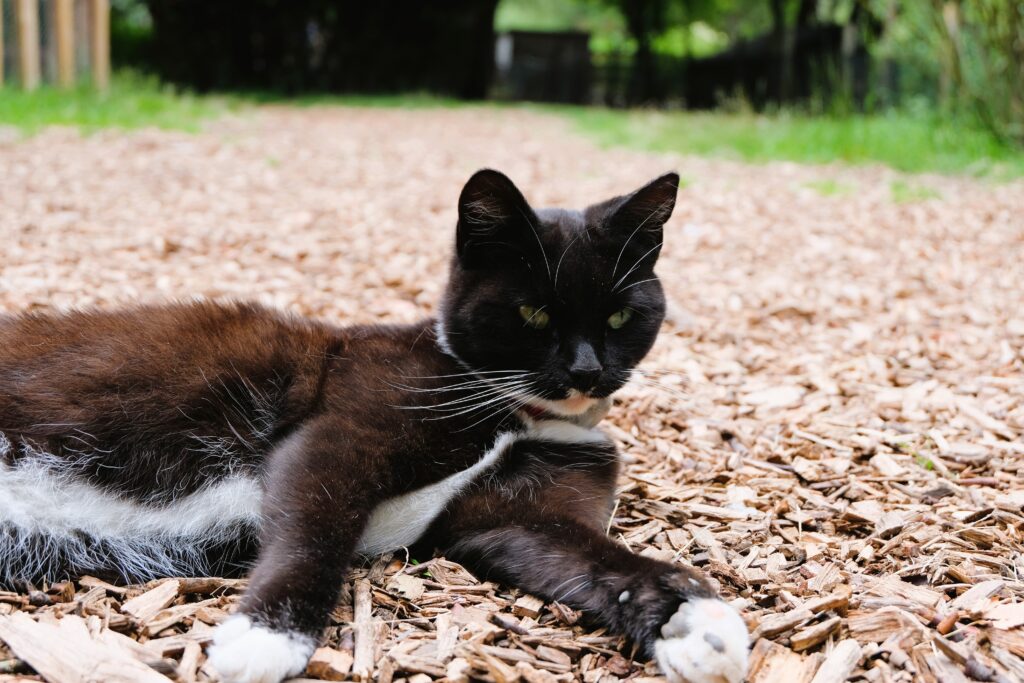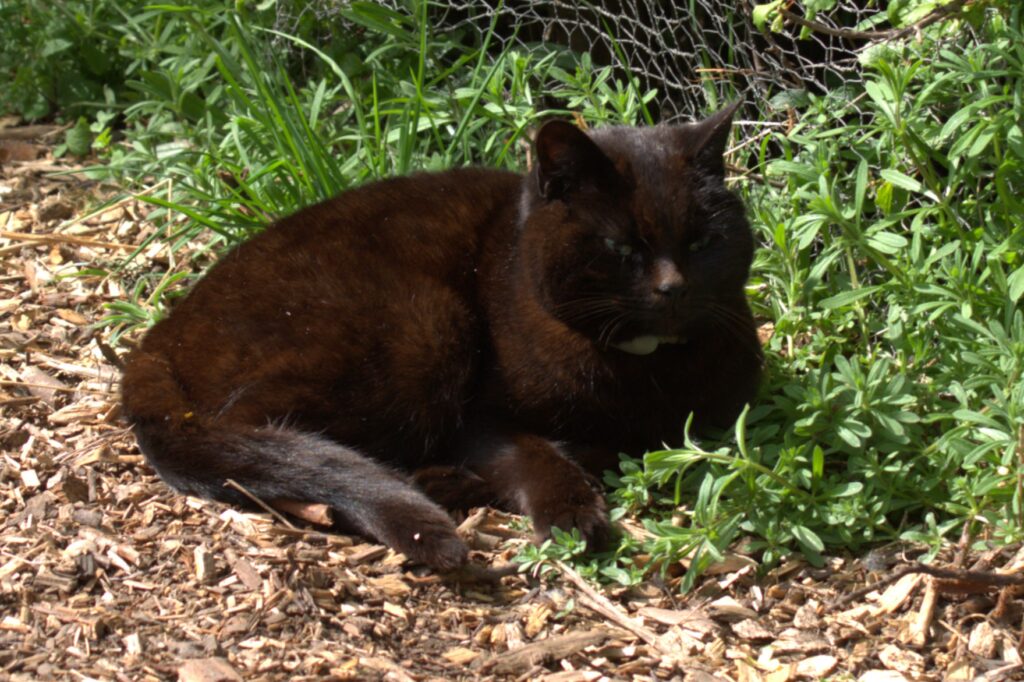
On the 6th of June we have our wonderful Feline Funday, a day of cat-themed activities to fundraise for the Minnie’s Haven Cat Rescue! To celebrate, we thought we would talk a little bit about our favourite feline companions and the impact they have made on history.
Nedjem, 15th century BCE
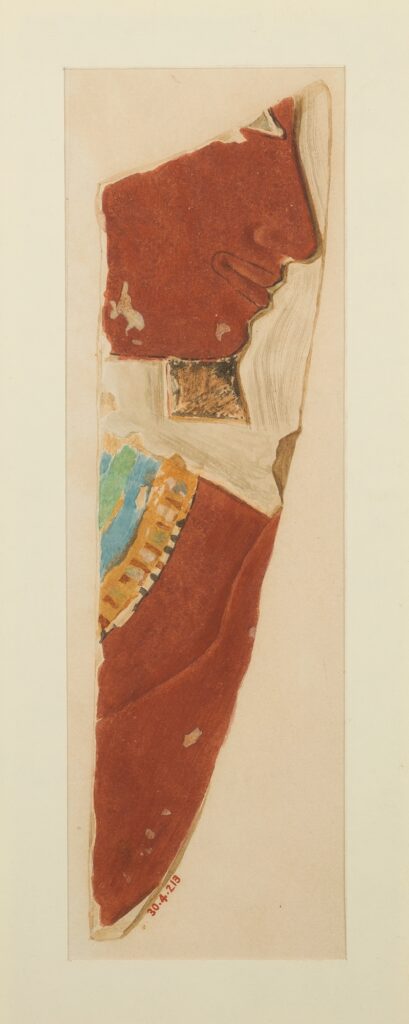
Nedjem, which in the original Egyptian meant something like ‘Sweet One’ or ‘Sweetie’, was the first cat we know of with an individual name. This feline was the cat of Puimre, the Second Priest of Amun during the reign of the Pharaoh Hatshepsut. We know about Nedjem because this beloved kitty is depicted and named on a damaged relief from Puimre’s tomb.
However, we see representations of cats in Ancient Egypt from as early as the 20th century BC. Cats were important in both religious and social life in Ancient Egypt and killed venomous snakes or rodents which may damage crops. Several Ancient Egyptian deities were depicted with catlike features.
Pangur Bán, 9th Century AD
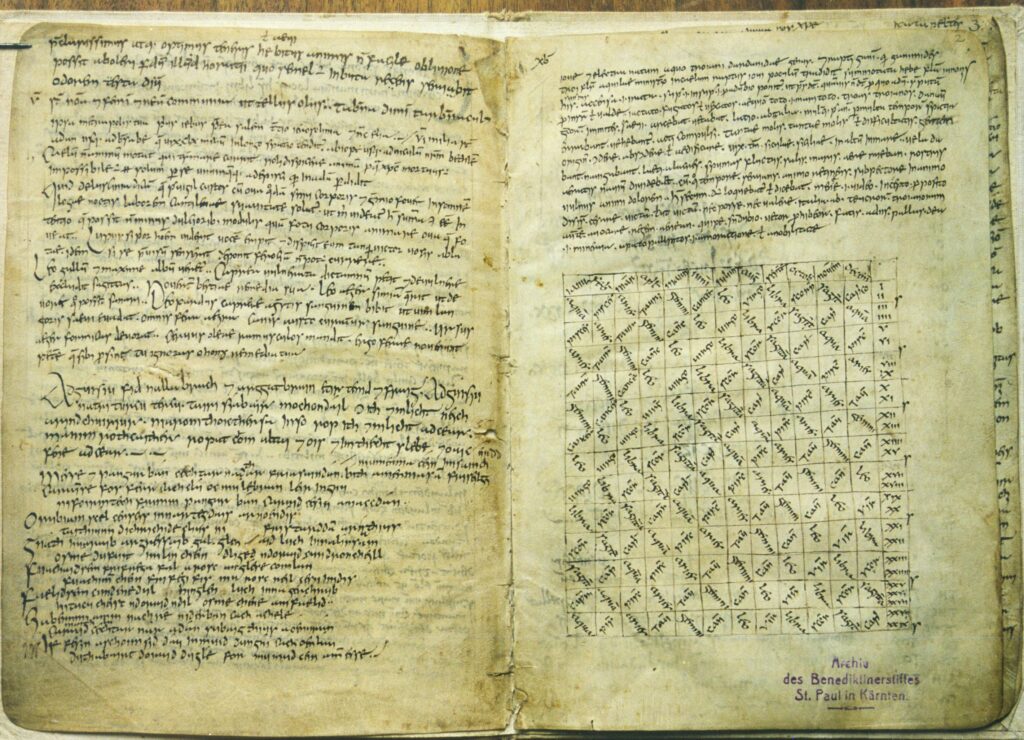
Zooming forward more than two thousand years, we meet Pangur Bán. This was the cat of an anonymous Irish monk in the 9th century. Pangur Bán means ‘White Pangur’, with ‘Pangur’ possibly meaning ‘fuller’.
Pangur Bán was the subject of a poem by the Irish monk. The poem is in Old Irish, but was written in the Reichenau Primer, found in Reichenau Abbey, Germany. The poem focuses on the similarities between the work of the monk and his cat. It reads as follows (translation by Robin Flower, 1912):
I and Pangur Bán, my cat,
‘Tis a like task we are at;
Hunting mice is his delight,
Hunting words I sit all night.
Better far than praise of men
‘Tis to sit with book and pen;
Pangur bears me no ill-will,
He, too, plies his simple skill.
‘Tis a merry thing to see
At our tasks how glad are we,
When at home we sit and find
Entertainment to our mind.
Oftentimes a mouse will stray
In the hero Pangur’s way;
Oftentimes my keen thought set
Takes a meaning in its net.
‘Gainst the wall he sets his eye
Full and fierce and sharp and sly;
‘Gainst the wall of knowledge I
All my little wisdom try.
When a mouse darts from its den,
O! how glad is Pangur then;
O! what gladness do I prove
When I solve the doubts I love.
So in peace our task we ply,
Pangur Bán, my cat, and I;
In our arts we find our bliss,
I have mine, and he has his.
Practice every day has made
Pangur perfect in his trade;
I get wisdom day and night,
Turning darkness into light.
Cats like Pangur no doubt would have been very valuable in the early Medieval period for getting rid of pests. But it’s clear that people certainly enjoyed their company too!
Unsinkable Sam, 20th Century
Cats have been kept on board ships for thousands of years in order to hunt any vermin who might want to make their homes on the ship.
Oscar or Oskar was a cat who lived in the 1940s and 1950s and was also known as Unsinkable Sam. Sam was a ship’s cat during the Second World War who supposedly served on ships on both sides of the conflict and survived the sinking of three ships. Sam allegedly survived the sinking of the German battleship Bismarck, the British destroyer HMS Cossack and the aircraft carrier HMS Ark Royal. The facts in this story are murky, however. It appears, for example, that Sam was transferred from HMS Cossack to HMS Ark Royal before the former sank.
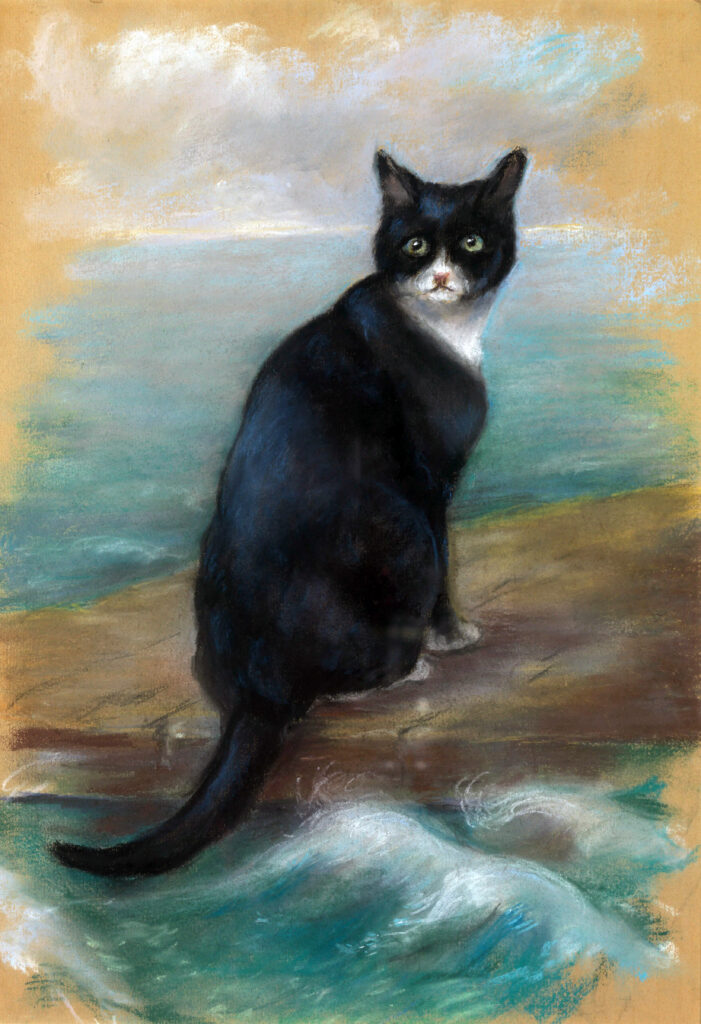
HMS Ark Royal was Sam’s final ship, and the sinking of this vessel was well reported. A torpedo hit the Ark Royal and it sunk near Gibraltar. The sinking was slow and all but one of the crew survived. Rescuers reportedly found Sam clinging to a floating plank, “angry but quite unharmed.”
While it is difficult to know what the truth was about Sam’s early career, he became very well-known and well loved. He spent the rest of the war in the Home for Sailors, a seaman’s home in Belfast, and died in 1955.
For many thousands of years, cats have lived alongside us. They have left their mark in our lives in every way, leaving pawprints on Roman roof tiles and in the ink of a 15th century manuscript. One medieval monk even lamented the following in the margins of a manuscript:
Here is nothing missing, but a cat urinated on this during a certain night. Cursed be the pesty cat that urinated over this book during the night in Deventer and because of it many others [other cats] too. And beware well not to leave open books at night where cats can come.”
Cats were not just there to keep rodents and vermin away from our living spaces – they also gave us companionship. They still do this today! Our wonderful cats, Sally and Wednesday, are working farm cats but are also beloved by staff, volunteers and visitors alike. What do cats mean to you? Why not come along on Saturday the 4th of June and join in our Feline Funday to help support the amazing work of Minnie’s Haven?