July - November 2026
About
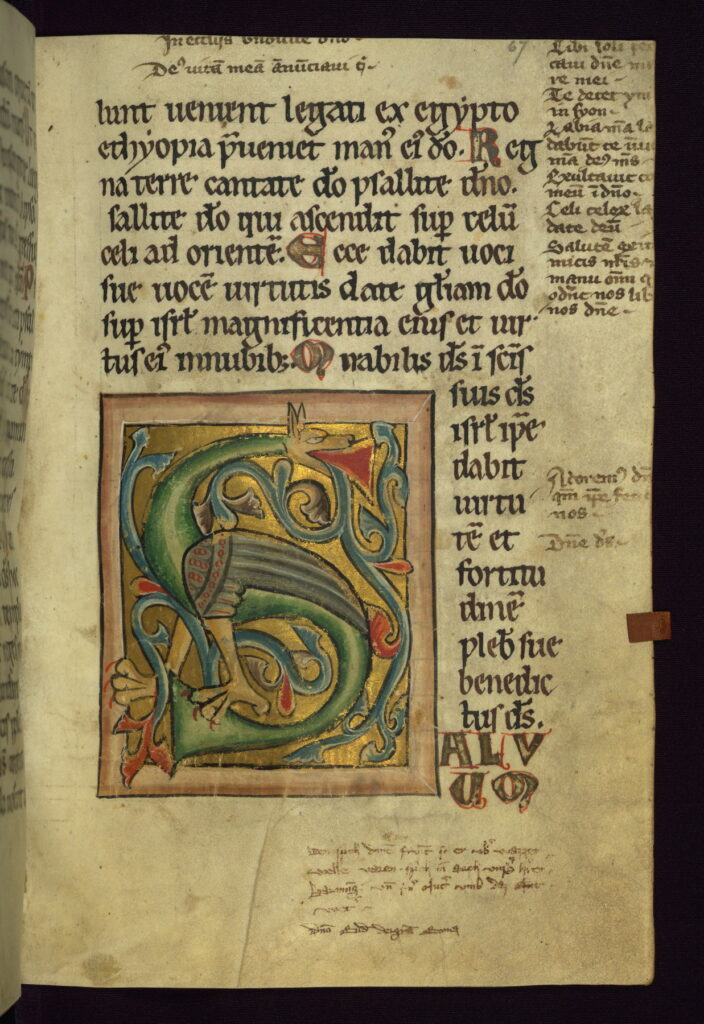
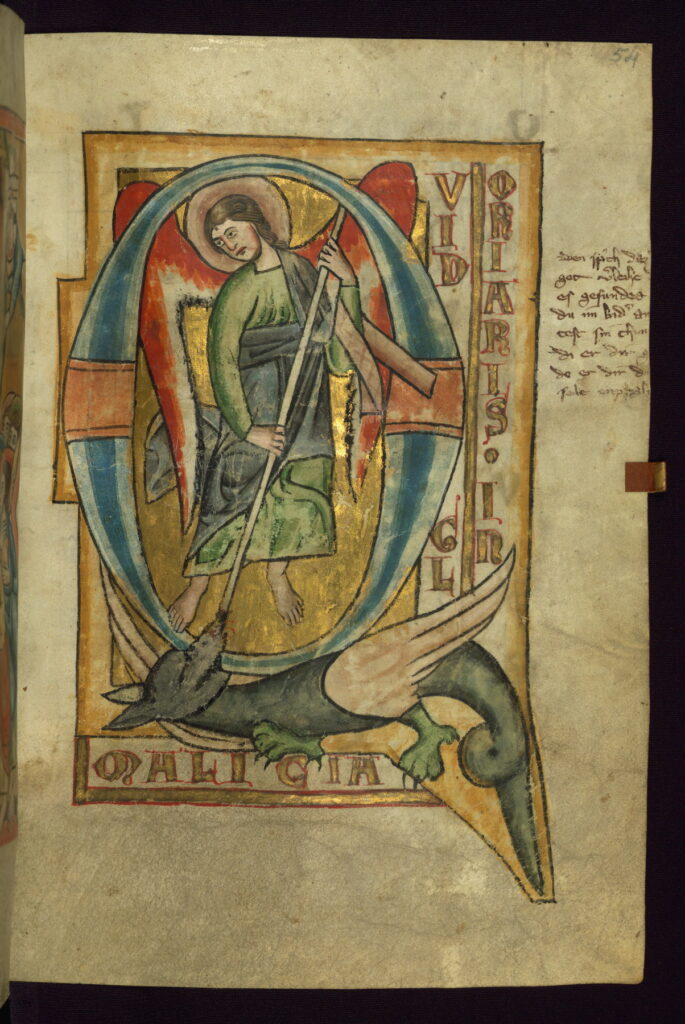
Fantasy stories have captured the imagination of people for generations. Perhaps you yourself like to lose yourself in tales of heroes and magic. But the stories we enjoy today have a much longer history than you might realise.
The themes we know from our favourite fantasy tales of fate, bravery, glory and renown or good vs evil all have origins in the stories of the past. Long before Bilbo Baggins set foot outside of the Shire, other heroes faced dragons and monsters and battled with magic swords. These staples of Western fantasy also featured in Anglo-Saxon tales.
Here Be Dragons: The Anglo-Saxon Influence on Fantasy celebrates the lasting impact on Anglo-Saxon culture and literature on our world today. 2026 is the National Year of Reading and so to celebrate, this exhibition ties what often feels like a distant part of history with stories that are relevant to people today. From the works of Tolkien, a scholar of Anglo-Saxon literature as well as the author of some of the most beloved works in the fantasy genre, to Game of Thrones and many other Western fantasy stories, this exhibition explores the legacy of the Anglo-Saxons on stories that are loved by people today.
This exhibition was made possible thanks to the contributions of North East Museums, Durham University’s Museum of Archaeology, the Tolkien Society, Durham University Mythology & Folklore Society, Bertie Armstrong, Jay Johnstone, The Loathsome Worm, and David Lee “DeeJay” Jackson.
Highlights
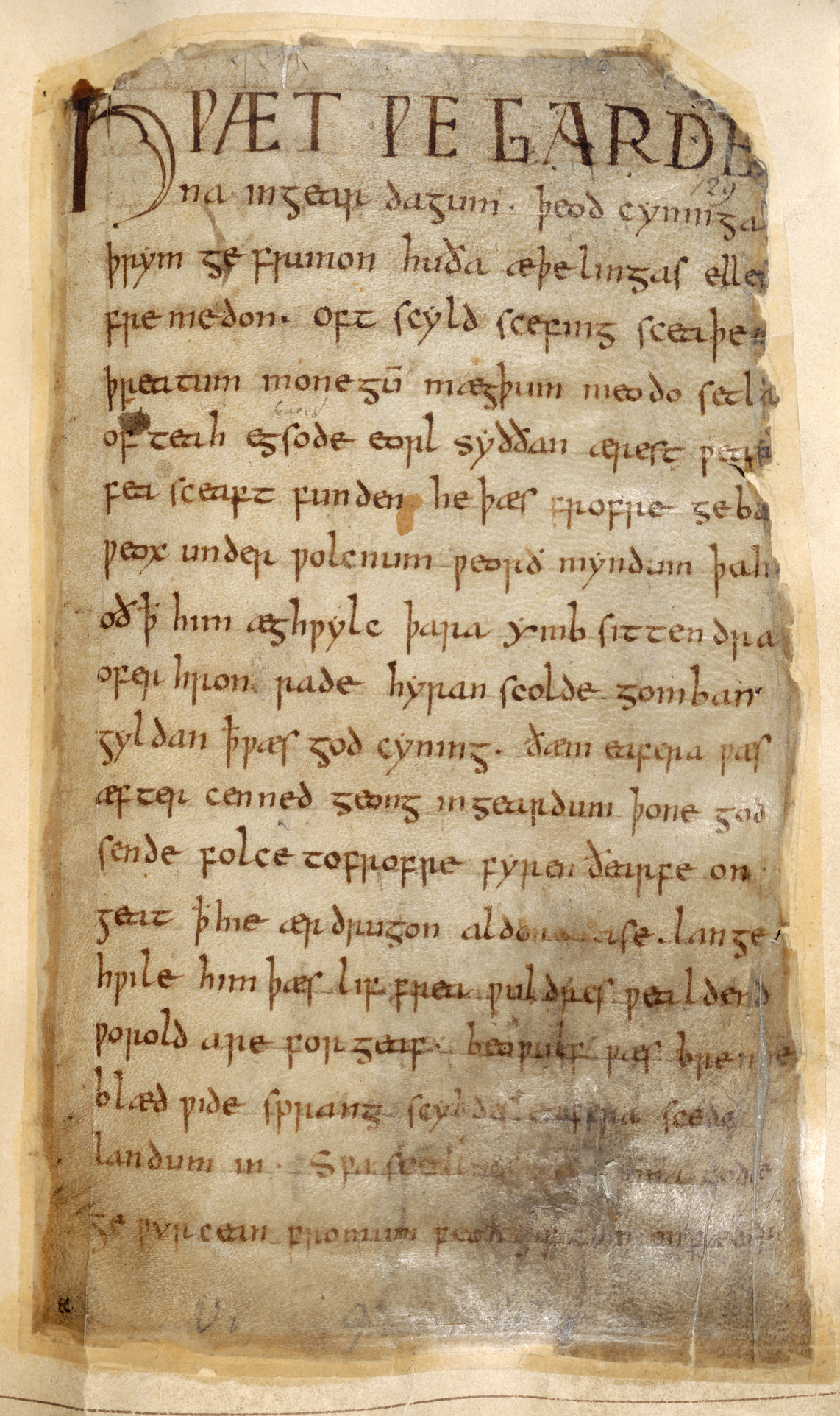
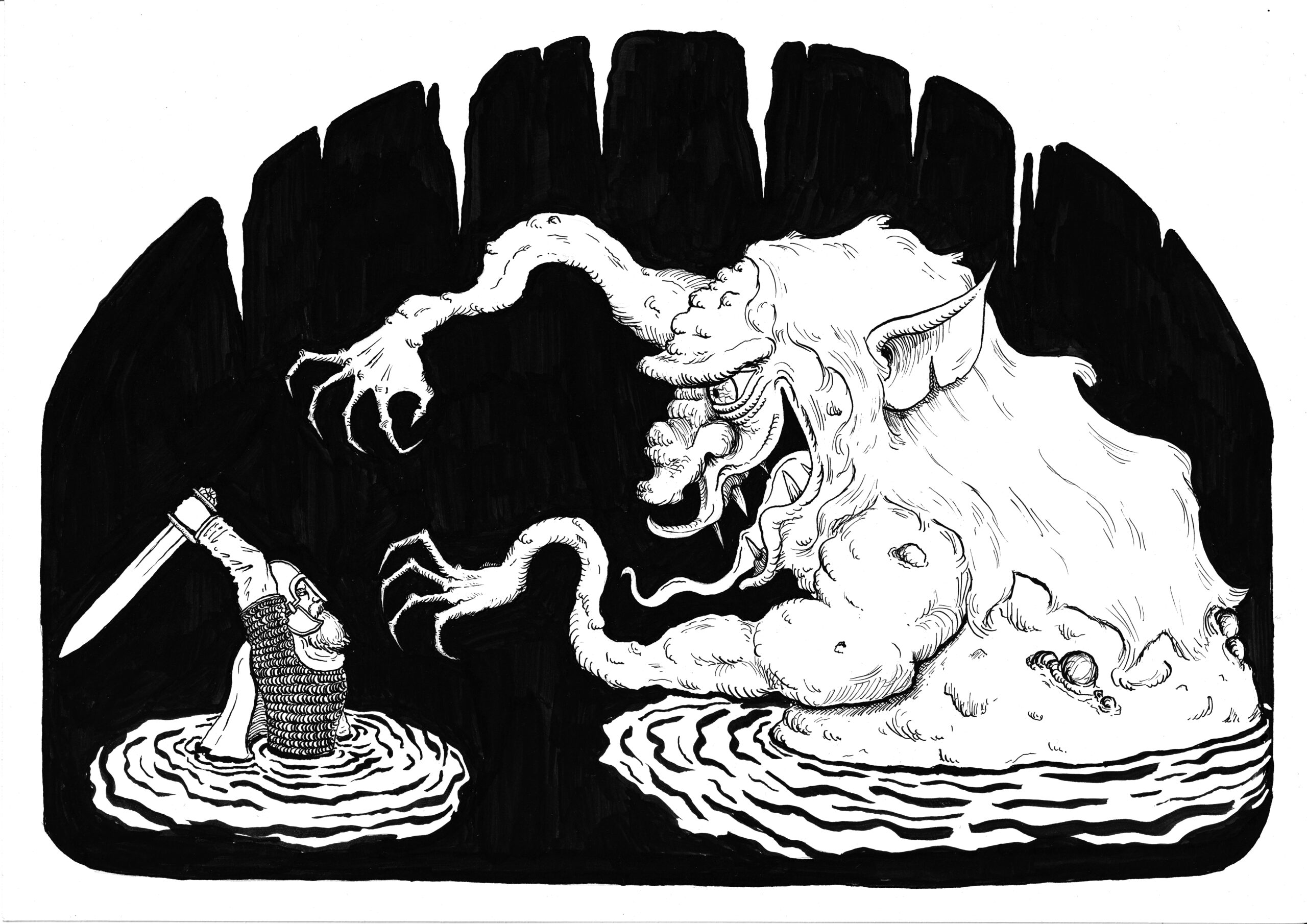
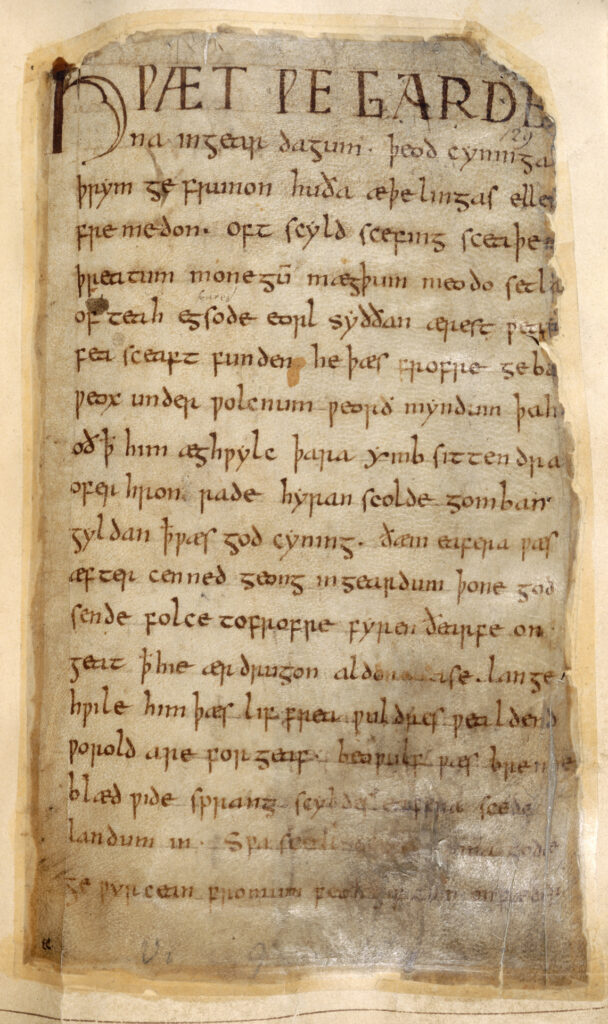
A famous Anglo-Saxon story is Beowulf, an epic poem that was written down around the 10th century CE. It tells the story of a hero named Beowulf who battled monsters and fought a dragon.
Beowulf tells us a lot about what the Anglo-Saxons believed and the stories they wanted to tell. It is a story of good and evil, reputation and legacy. These are all themes you can see in fantasy stories today.
The poem explores what it means to be a hero – a good hero was loyal and brave. It shows what the Anglo-Saxons believed made a good ruler. A good ruler needed to be generous and had a responsibility to their followers.
Some of the most popular fantasy stories today are The Lord of the Rings series and The Hobbit. In fact, the author of the books, J.R.R Tolkien, is often called ‘the father of fantasy’. This is because of the success of the books and their influence on the fantasy genre and the stories that came after.
Did you know Tolkien was a professor at Oxford University and studied the Anglo-Saxons and Old English? He even wrote his own translation of Beowulf. This background inspired his writing.
Tolkien studied Old English and used the language and Old English literature as an inspiration for his work.
The language and warrior culture of the Rohirrim are inspired by the Anglo-Saxons. The main difference is the Rohirrim ride horses into battle, which the Anglo-Saxons avoided. The king of Rohan is called Théoden. This is taken from the Old English word þeoden, meaning “king” or “prince”.
Edoras is the capitol of Rohan. In Old English, the word edoras means dwellings, houses or enclosures. The name of Meduseld, the great golden hall in Edoras, is taken from the Old English word for a mead hall or feasting hall.
There are lots of things from The Lord of the Rings and The Hobbit that take inspiration from Beowulf.
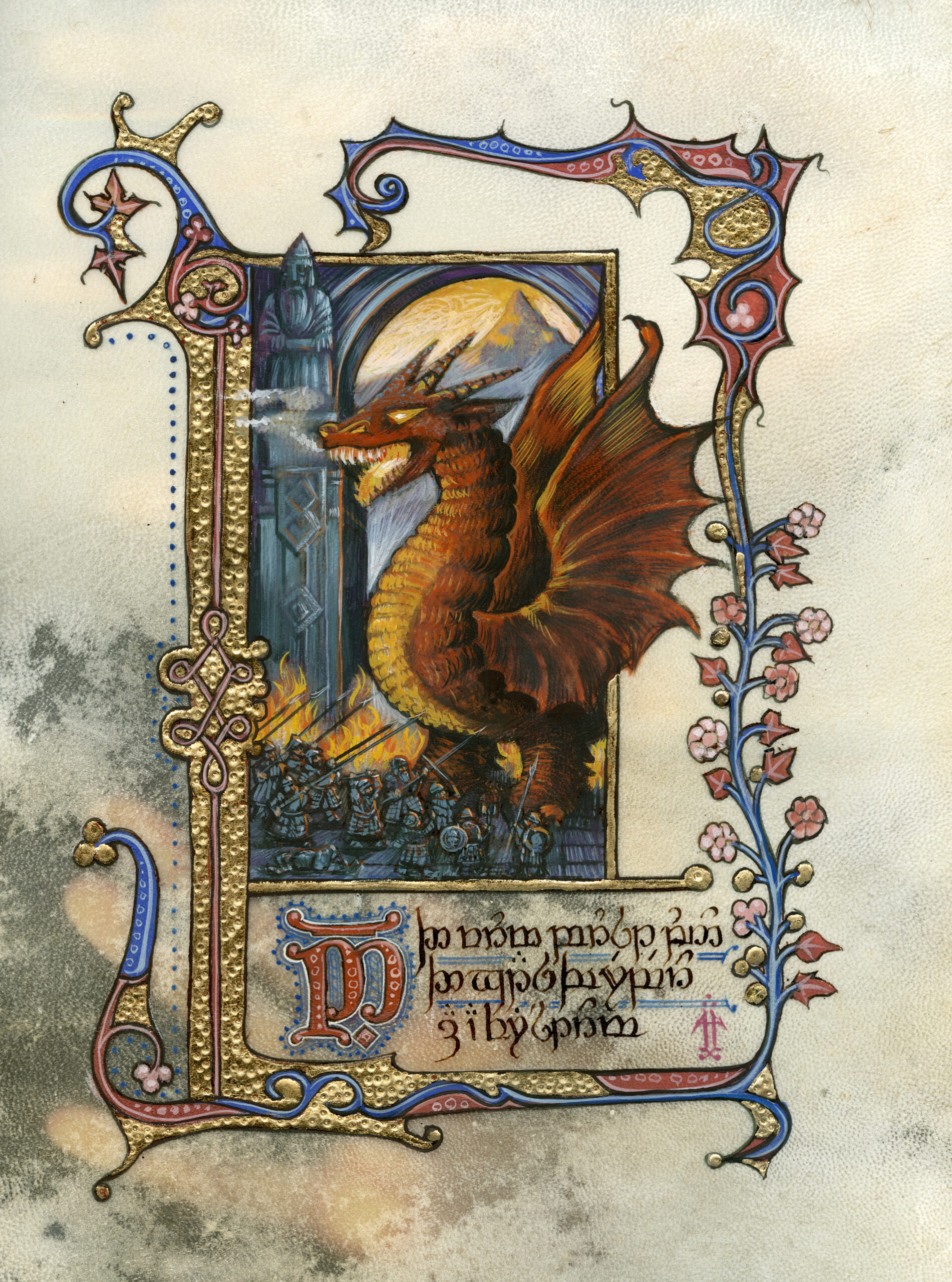
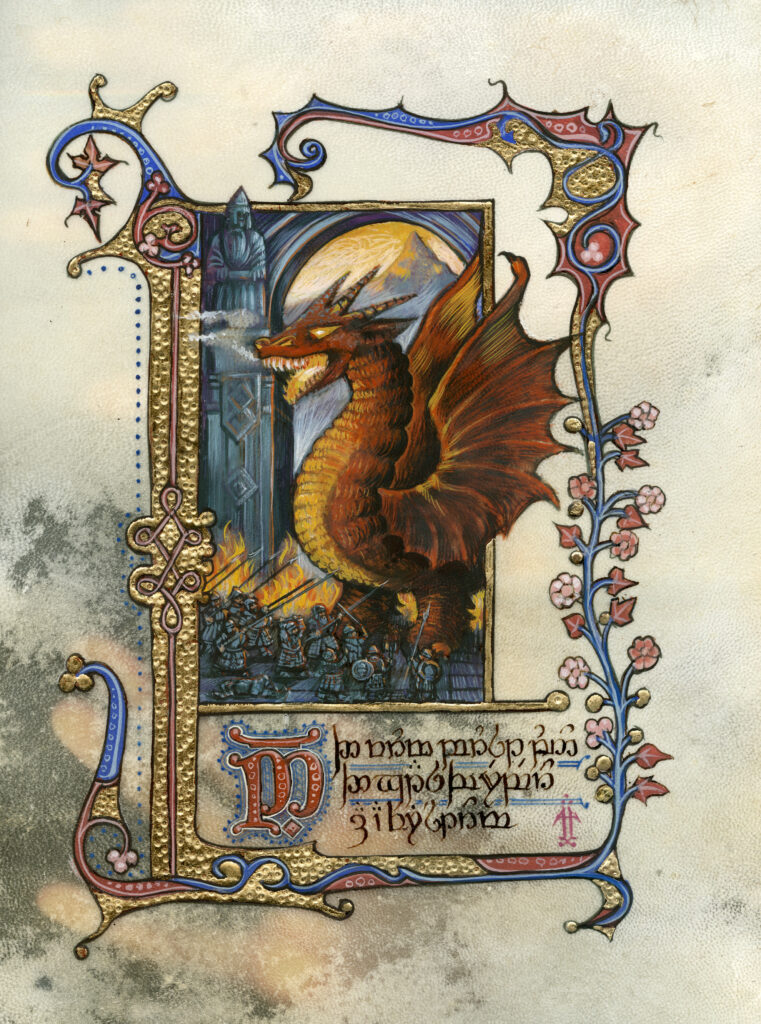
For example, the story of the dragon, Smaug in The Hobbit is very similar to the story of the dragon in Beowulf. In Beowulf, the fire-breathing dragon is angry when a silver cup is stolen from his hoard and he attacks neighbouring towns. In The Hobbit, Bilbo steals a golden cup from Smaug who, like the Beowulf dragon, is greedy and hoards riches. The furious Smaug attacks nearby Laketown.
The Andals and The First Men – Game of Thrones
The seven kingdoms of Westeros mirror the seven Anglo-Saxon kingdoms. In fact, the power of The North in Game of Thrones is similar to that of Northumbria during its golden age in the Anglo-Saxon period. The Andals are loosely inspired by the Anglo-Saxons. They brought the Faith of the Seven to Westeros, like the spread of Christianity in the Anglo-Saxon period.
The series also talks about what it means to be a hero. Ned Stark has all the qualities of a hero as set out in stories like Beowulf and the fantasy tales that came later. He is honourable, honest and has a lot of integrity. This makes it all the more shocking when Ned Stark is killed, showing that Westeros is not a world that plays according to the heroic values of other tales.