
On the 12th of June in the year 918 AD, Æthelflæd, Lady of the Mercians, died. She was one of the most influential figures in the Anglo-Saxon period and made a significant impact. The daughter of Alfred the Great, Æthelflæd was a warrior queen in her own right as well as an extremely savvy political figure and diplomat.
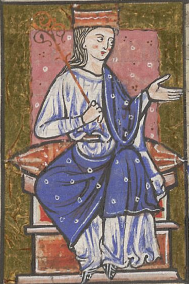
Anonymous, via Wikimedia Commons
She was born in Wessex in around 870 AD, when the Viking invasions of England were at their height. Æthelflæd was married to Æthelred, Lord of the Mercians, to secure her father Alfred’s influence over the Anglo-Saxon kingdoms not ruled by the Vikings. Æthelred and Æthelflæd’s brother, who would become King Edward the Elder, were vital in fending off Viking attacks in the 890s. Æthelred and Æthelflæd set about ruling and improving their kingdom. They fortified Worcester, gave generous donations to Mercian churches and built a new minster in Gloucester.
However, Æthelred’s health began to decline. It is thought that it is from this point that Æthelflæd became mainly responsible for governing Mercia. It is probably Æthelflæd who restored Chester’s Roman defenses. This proved to be very prudent, as Viking and Danish forces launched an attack on Chester. This failed not only because of Æthelflæd’s fortification of the town, but also because she convinced the Irish among the attackers to change sides.
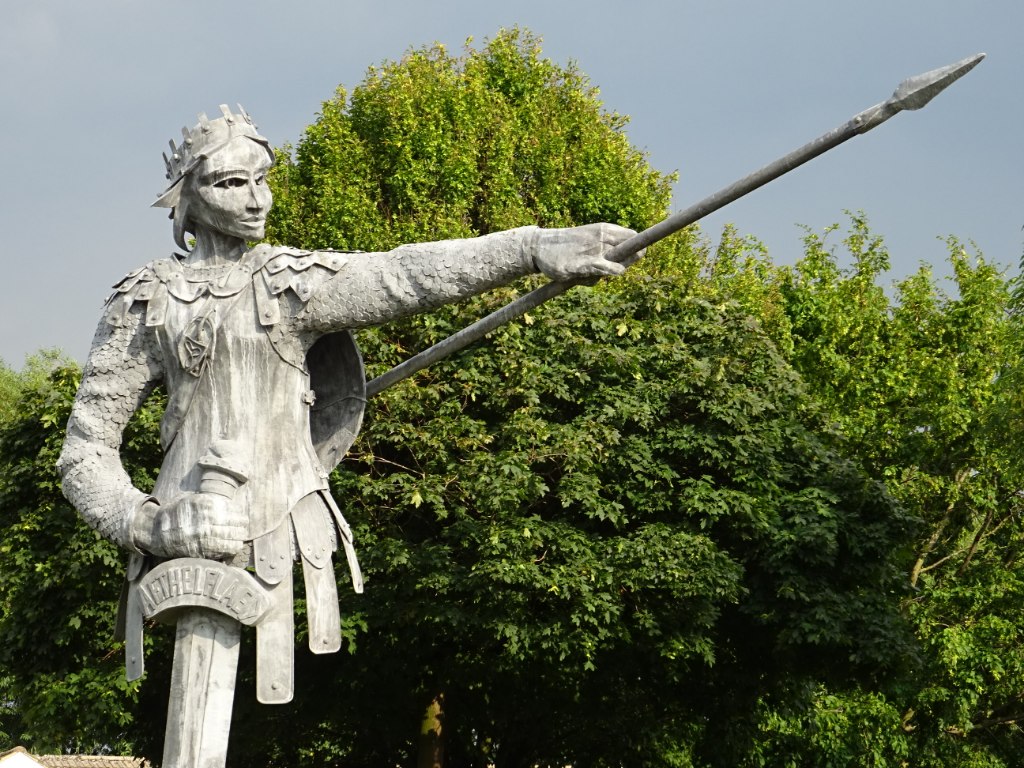
Æthelred died and Æthelflæd began to rule in her own right as Lady of the Mercians. This is significant as some say this would make Æthelflæd the only queen regnant of a kingdom in Anglo-Saxon history. This is perhaps with the exception of Seaxburh of Wessex, the only woman to appear in a regnal list in Anglo-Saxon England. Seaxburh seems to have ruled for between one and two years after the death of her husband. Wessex did not call a king’s wife ‘queen’ or allow royal women much influence but in Mercia there was more of a history of openly influential women, including Æthelflæd’s aunt Æthelswith who witnessed charters as Queen and made grants both jointly with her husband and in her own name as an individual. Æthelflæd benefitted from this history.
Æthelflæd extended the network of burghs (fortified settlements) that her father Alfred had built. She also played an important part in conquering the Danelaw. The Danelaw was the area of England that lived under Danish law. In 917 she sent an army to capture Derby. Then, in 918, Leicester surrendered without a fight. Shortly afterwards the Viking leaders of York offered her their loyalty. Æthelflæd she died on before she could take respond to the offer.
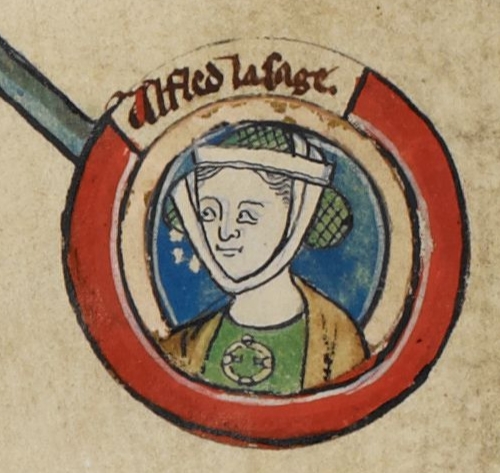
The 12th century Anglo-Norman chronicler William of Malmesbury described Æthelflæd as “a powerful accession to [Edward the Elder’s] party, the delight of his subjects, the dread of his enemies, a woman of enlarged soul”. It is clear that Æthelflæd had an impact not only during her lifetime but one that lasted for centuries after her death.
If you would like to read about more Anglo-Saxon women, check out this post to learn about Hilda of Whitby and Emma of Normandy, two other influential early medieval women.