
JAMCam: Environmental Processing
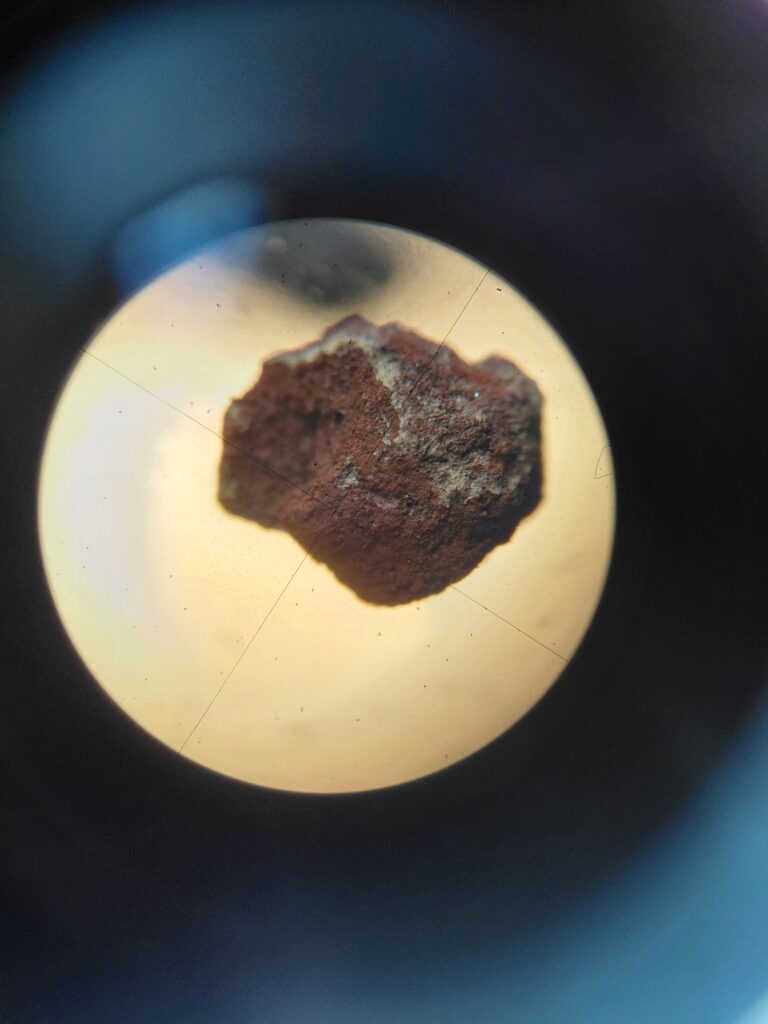
We’re on holiday this week at JAMHQ (kind of), so this week we have a little explanation of something that was touched on in last week’s update; wet sieving. Wet sieving. Wet sieving is part of an archaeological sub speciality Environmental Archaeology, which aim is to examine the ways in which the relationships between different human societies and the landscape by researching past environments, diets, and landscapes through scientific methods. The most common way archaeologists achieve this is through a process […]
JAMCam: Back to Regular Programming
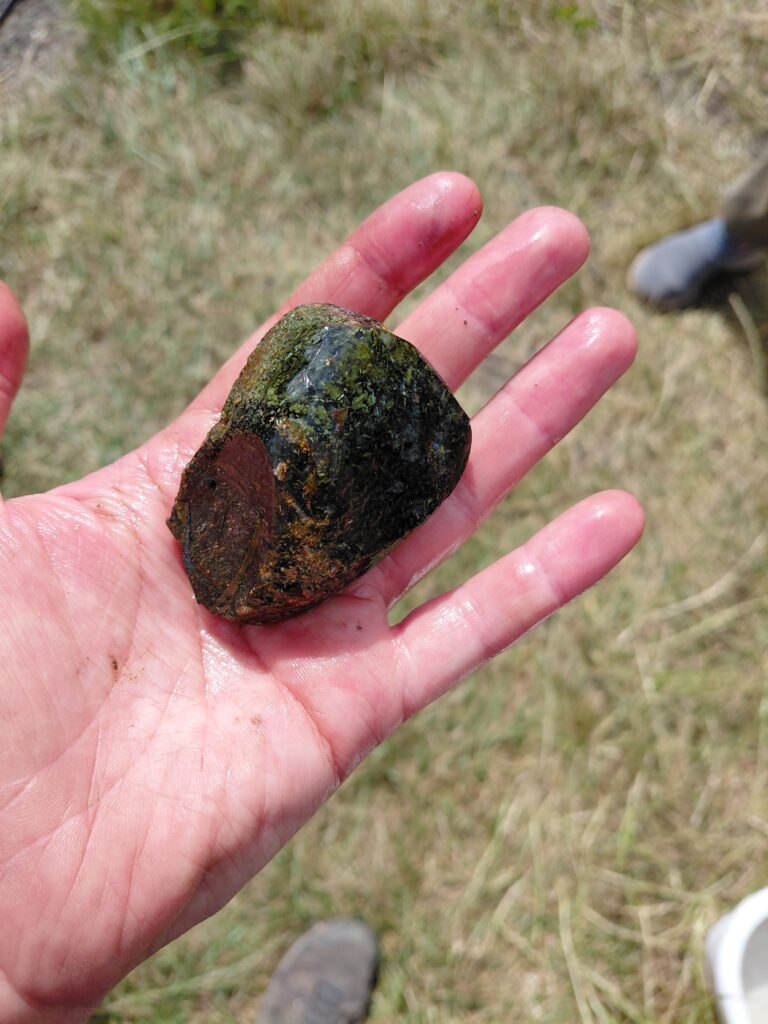
This week at JAM we are back to work with our community volunteers, and we’ve had plenty of new faces already. New faces have meant new oddities this week, as we continue excavating our road though the park. Caption: behold, a lump of purest green! We seem to be finding more of the unexplainable, like this massive ump of molten glass. We were stumped by the inclusions and size, […]
JAMCam: Schools in the Field
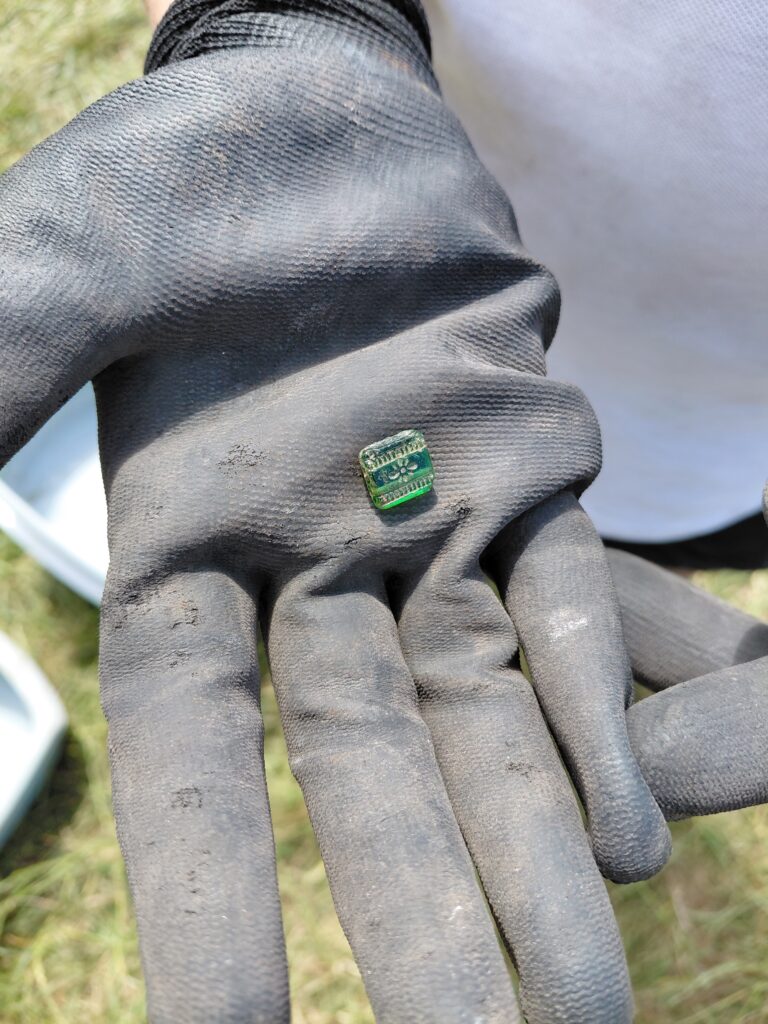
As the summer gets hotter, we’ve had a relatively chill week at JAM HQ, as we’ve been joined by groups of young learners from schools, college and work experience placements. We’ve been learning new skills, finding finds, and trying to keep out of the sun. Here’s a roundup of everything we’ve been up to. This week we did a little bit of archaeological section drawing. A section is the vertical face of whatever we’ve been digging, in […]
Field School
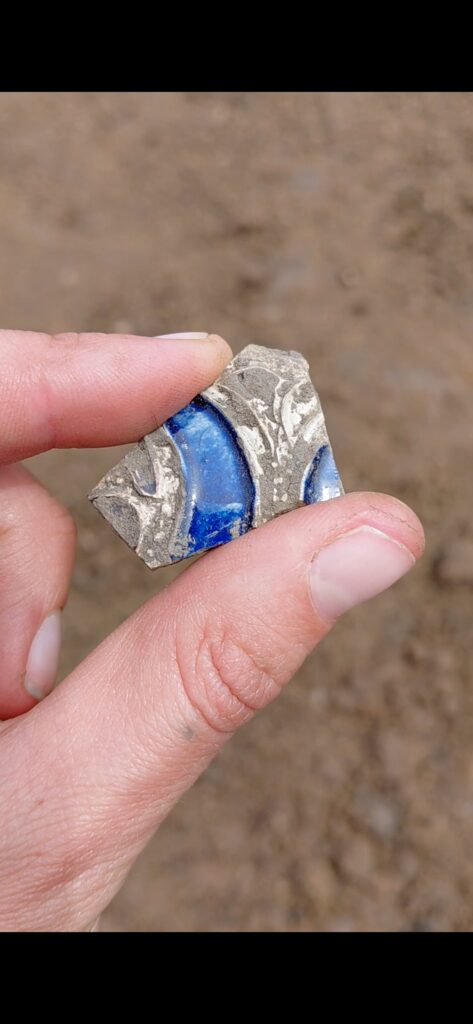
It’s a Double Update this week as last week was just too crammed full of things to do for a proper JAMCam to be written. This week marks the end of our two week Field School with Master’s Students from Newcastle University, and they’ve done so much for the mission. We’ve taken our initial site photos and made the site opening plan. At the […]
JAMCAM: IT’S ALIVE!
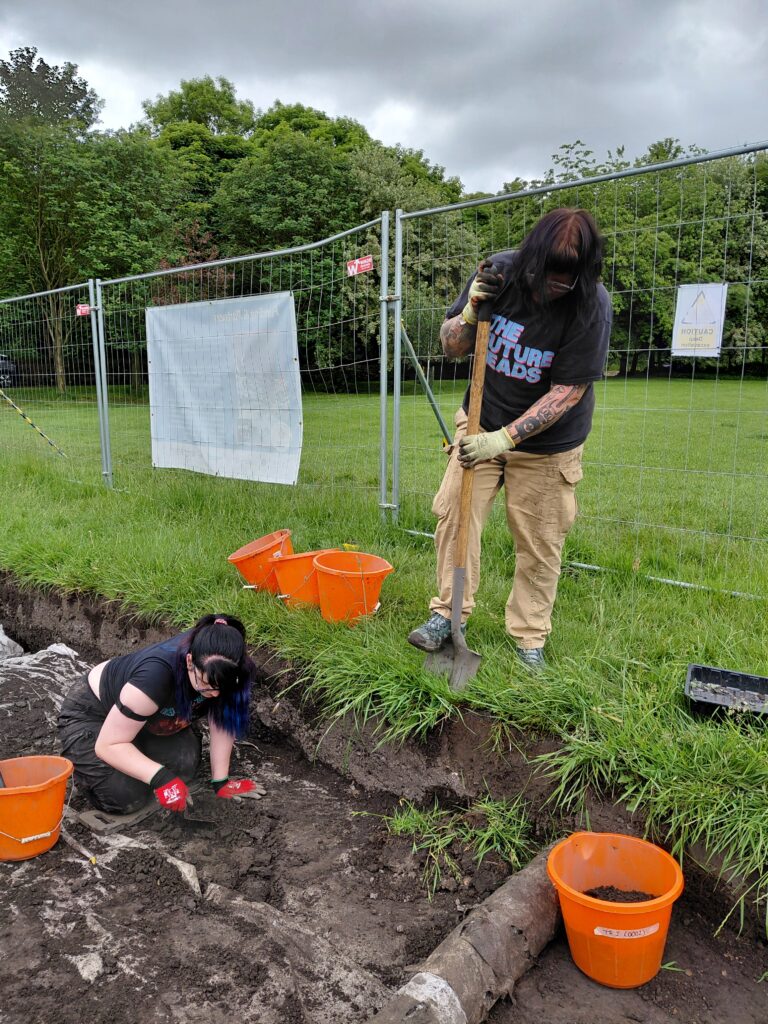
Hello everyone! It’s been an exciting week for JAM as we’ve finally peeled back the Terram Membrane to see our beautiful Trench 1 again. Caption: What a beauty. Thank you to all of our wonderful volunteers who helped make this happen. We were also joined by some very special guests this week. On Friday, young people with Escape Intervention joined us for MindfulJAM, a quiet morning […]
JAMCam: Breaking our Backfills
Another beautiful week for JAM, as the team battled the weather and the soil to open site. It’s hard to believe it’s only May, but as the heat continues to soar this summer, we all have to remain safe, especially us out in the field. So remember to drink plenty of water, wear sun cream, and stay cool in the shade when you […]